.jpg)
Finding the right van to suit your business is an important decision, impacting not only your wallet but your day-to-day operations. Citroën Berlingo vans are frequently touted as a great option for growing companies.
This guide investigates the Berlingo’s vital statistics and reputation - and gives you the lowdown on how it really measures up.
You’ll often see the Citroën Berlingo called the ‘workhorse’ of the van world. Reported to be highly reliable, and - importantly (especially in this day and age) - cheap to run, it’s little wonder that over 50,000 have been registered in the UK since 2020.
But is this all just good press, or is the Citroën Berlingo as good as it’s cracked up to be?
In this part-guide, part-review, we’ll go through everything you need to know about the Citroën Berlingo van, so you can decide whether it’s the right van for you and your business.
From how much you can actually fit in the back, to what it’s like to drive on a long work day, we’ve got all the ‘need-to-know’ angles covered.
Best for: Small businesses, delivery drivers and tradespeople looking for:
- a reliable and efficient addition to their business ‘tool kit’
- an affordable vehicle option that keeps overhead costs in check
- a van suited to a mixture of city and motorway driving
Reviews from the DriveSimple team
“The Berlingo is always a popular choice with customers. It's super practical for a range of industries and offers great value. It's got three front seats, a hatch in the bulkhead to load ladders under the passenger seat, and generous space in the back. Plus, it fits perfectly into 100% of UK carparks!” - Rich Fox, Head of Sales
The Lowdown
First things first: what type of van is a Citroën Berlingo?
In short, it’s a compact panel van. This is a small commercial van that is designed to carry goods in built-up areas. A little like a car, if it were made to carry stuff rather than people!
A Very Brief History of the Citroën Berlingo Van
There have been several versions of the Citroën Berlingo over the years, with around three generations released since its introduction to the market in 1996.
Through its many iterations, the model has been refined to be more ‘car-like’ and offer different engine options. However, its design ‘ethos’ as a durable and efficient van has remained largely the same.
Getting down to brass tacks - and the main reason for this review - let’s address the key question: are Citroën Berlingo vans any good? Keep reading to find out.
Citroën Berlingo Van Specifications
Before we get into the nitty-gritty, let’s look at the data and vehicle specs of Citroën Berlingo vans.
How much weight can a Citroën Berlingo van carry?
The weight a Citroën Berlingo van can carry depends on whether it’s an M or an XL model, and whether it’s diesel or electric (the former can carry a little more).
These are the typical payloads you can expect:
How long is a Citroën Berlingo?
Citroën Berlingo vans vary in length and wheelbase, depending on when they were made. Here’s a quick breakdown:
There’s not a huge amount in it in terms of older and newer models, but the latest Citroën Berlingos are a little bit bigger.
So, what does this mean in practice? Overall, M models are easier to park because they’re smaller, and XL models are better for carrying around bulkier cargo.
How much can you fit in the back of a Citroën Berlingo?
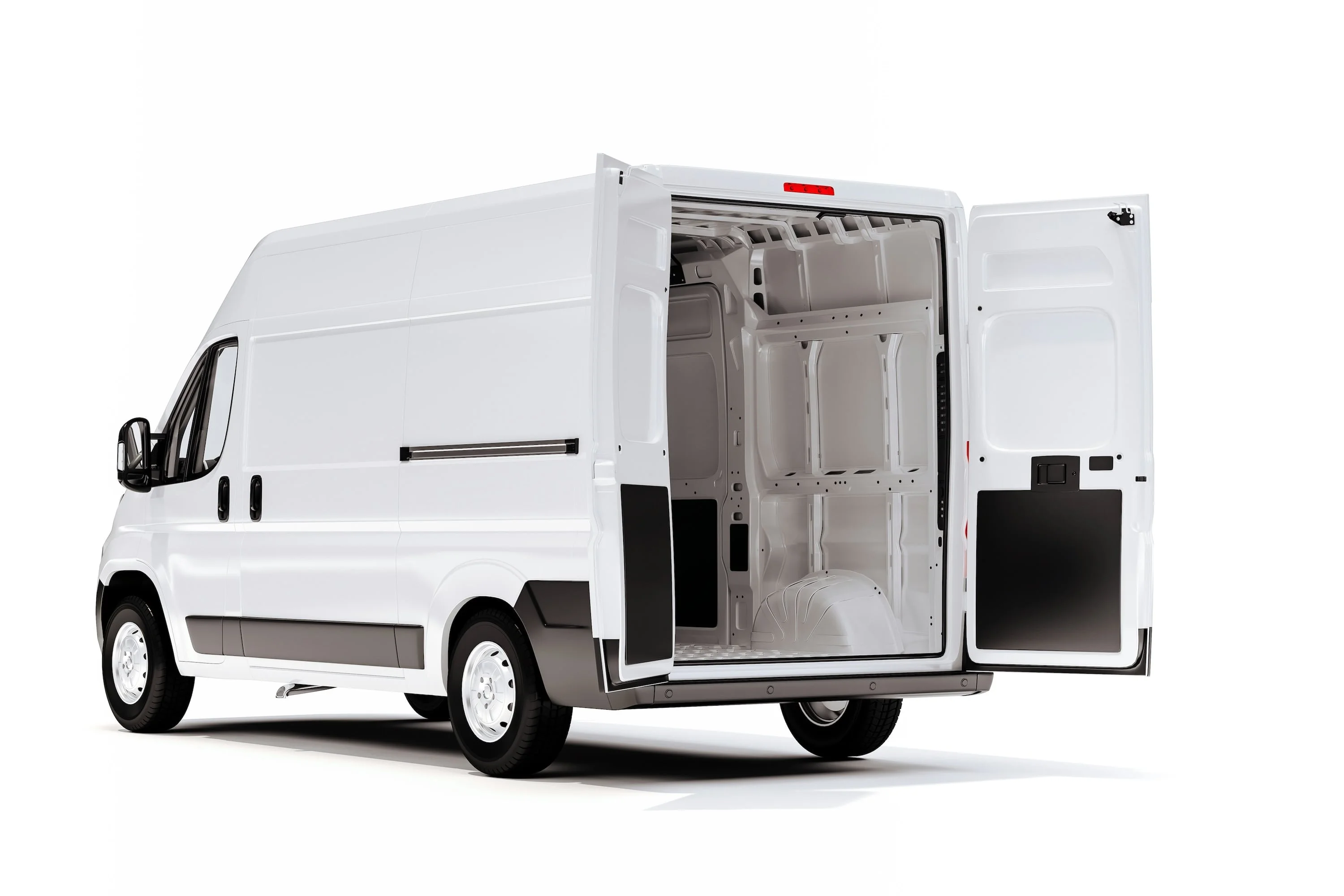
The amount you can fit in the back of a Citroën Berlingo van all depends on what wheelbase model you choose. For an M, it’s around 3.3 m³, and for XL, it’s around 4.4 m³.
This makes Citroën Berlingo vans ideal for storing and hauling bulky kit for your job, as well as carrying small cargo for delivery jobs. For reference, think small machinery and/or heavy building materials
How many seats does a Citroën Berlingo have?
Citroën Berlingo vans usually have 2-3 seats. Ideal for drivers and a driver’s mate setup.
Do Citroën Berlingos have a wet belt?
The majority of Citroën Berlingo vans don’t have wet belts. The only model that does is the 1.2 PureTech petrol engine from 2014-2023.
What is Citroën Berlingo’s tyre pressure?
A Citroën Berlingo’s tyre pressure comes down to how it’s used. To give you an idea, here are some stats for typical usage:
Useful to know
Let’s put the tape measure away for a moment, and take a look at some other important details about Citrëon Berlingo vans.
Is a Citroën Berlingo cheap to run? Is it fuel-efficient?
Yes, Citroen Berlingos are notable for being cheap to run, especially those with a diesel engine. A lot of this comes down to their simple, compact design. No frills and a decent engine mean fuel efficiency - and a more cost-effective solution for your business.
What is the road tax on a Citroën Berlingo?
When it comes to Citroën Berlingo van road tax, newer models (post-2018), including electric, cost around £345 per year. Older models might be cheaper on a case-by-case basis.
Is a Citroën Berlingo expensive to insure, and what affects its insurance cost?
No, Citroën Berlingos have reasonable insurance costs that keep the wallet happy.
These vans are placed in a low insurance group because they’re moderately priced and designed for practicality, rather than speed (there’s no racing a Citroën Berlingo!).
The combination of a smaller engine and lower top speeds means that these vans aren’t associated with risky driving, which lowers your company's insurance costs. They’re also relatively cheap to repair, meaning insurers don’t overpay if fixes are needed.
The Berlingo benefits from this simple rule of thumb: lower risk = lower insurance rates.
Other Things to Consider
Ok, we’ve covered the good bits. But what about the things that may not work for everyone? Let’s investigate further.
What and who is a Citroën Berlingo not suitable for?
Citroën Berlingo vans can travel significant distances. But if super-long trips are your number one priority, there may be other options in our range that suit you better.
That’s because, while Berlingos are comfortable to sit in, other van models are more specifically designed for long hours on the road.
The Citroën Berlingo is fundamentally about day-to-day functionality, so its engine has been optimised for that, rather than covering marathon distances.
What are the most common problems with Citroën Berlingos, and are they easy and/or inexpensive to fix?
Right out of the gate, let’s make clear that Citroën Berlingo vans are well-known for their superior reliability. If you’re looking to maximise time on the road and minimise disruption to your business, that’s a huge plus.
Like any vehicle, they do need care and maintenance. But the good news is that problems that can arise with these vans are usually low-risk and easy to fix. Parts are widely accessible, and it’s rare for anything strange to crop up. So, if repairs are needed, they are likely to be fast - meaning you’ll be back up and running asap.
The most common problems you’ll find in these vans are minor electrical faults, which, as mentioned above, are easy to repair. Of course, there is the expected general wear and tear for worn brake pads/discs, suspension bushes, springs, shocks, and steering joints. But, like any vehicle, keeping the van serviced and well-maintained reduces the risk of these occurring.
Other Citroën Berlingo Van FAQs
Now, let’s dig into some more common questions that we haven’t covered yet.
Is a Citroën Berlingo a good van to lease?
Yes, absolutely!
Of course, this all depends on your needs, but Citroën Berlingos have many use cases for different types of small business. Their low, predictable running costs, and easy drivability. make them a great choice for first-time van leasers (and van drivers) - as well as those with more experience.
Our customisable van subscriptions are like leases, but a lot more flexible. Not sure what the difference is? Learn more here.
How long will a Citroën Berlingo last?
If properly maintained, Citroën Berlingos can last 10-15+ years, with an estimated lifespan of 190,000 miles. This long-term test gave the van a 70% rating for its overall performance. Not bad at all!
When you take a Berlingo with DriveSimple, it will be a lot newer than that. But it’s still a good sign of the kind of durability you can expect.
How comfortable is a Citroën Berlingo to sit in?
Citroën Berlingos have an upright, high, and practical seating setup that, with adjustment, can be suited to a relaxed driving posture. This makes it good for long working days, especially with added suspension to soften road bumps. Plus, there’s plenty of headroom for taller drivers. Although it’s a little different to a passenger car, it’s comfortable enough for a hard day’s work.
What sort of business usage is the Citroën Berlingo most suitable for?
Citroën Berlingo vans are fantastic for small businesses, tradespeople and delivery drivers. There’s plenty of storage for all your kit, both in the cabin and the back of the van, without resorting to a larger model that may be less practical for daily use.
Is the Citroën Berlingo good for long, short, or both distances?
Citroën Berlingo vans are best suited to shorter distances, but they can still be driven on motorways for longer drives. Wind and road noise may be noticeable at high speeds, which may or may not bother you depending on how sensitive you are to sound.
Whilst this van can cover long distances, as mentioned above, there are other vans in our range that might work better if you are long-hauling on a regular basis. But, to sum up, a mixture of both short and long distance is absolutely fine in a Citroën Berlingo van.
What is the Citroën Berlingo like to drive?
Anecdotally, driving a Citroën Berlingo has been described as being as comfortable as driving a car. This makes it pretty driver-friendly, especially for new van drivers or those building up their confidence behind the wheel of a slightly bigger vehicle.
What would you tell someone who is interested in a Citroën Berlingo?
Citroën Berlingos are routinely reported as highly reliable, often considered more of a ‘tool’ than just a vehicle. Their value lies in their practicality and durability, which, depending on the type of business you work in, can be a major asset.
From low running costs to a decent payload, there’s a reason the Berlingo remains a popular ‘workhorse’ choice.
So, how to sum up the Citrëon Berlingo? In short, our review is that it’s:
- Highly reliable for numerous different business types
- Modern and comfortable, but not fussy or complicated
- Designed for everyday practicality and adaptability
Ready to upgrade your business with a Citroën Berlingo? Get things started and build your flexible subscription plan here.
.webp)
.webp)
.webp)
.webp)
.webp)